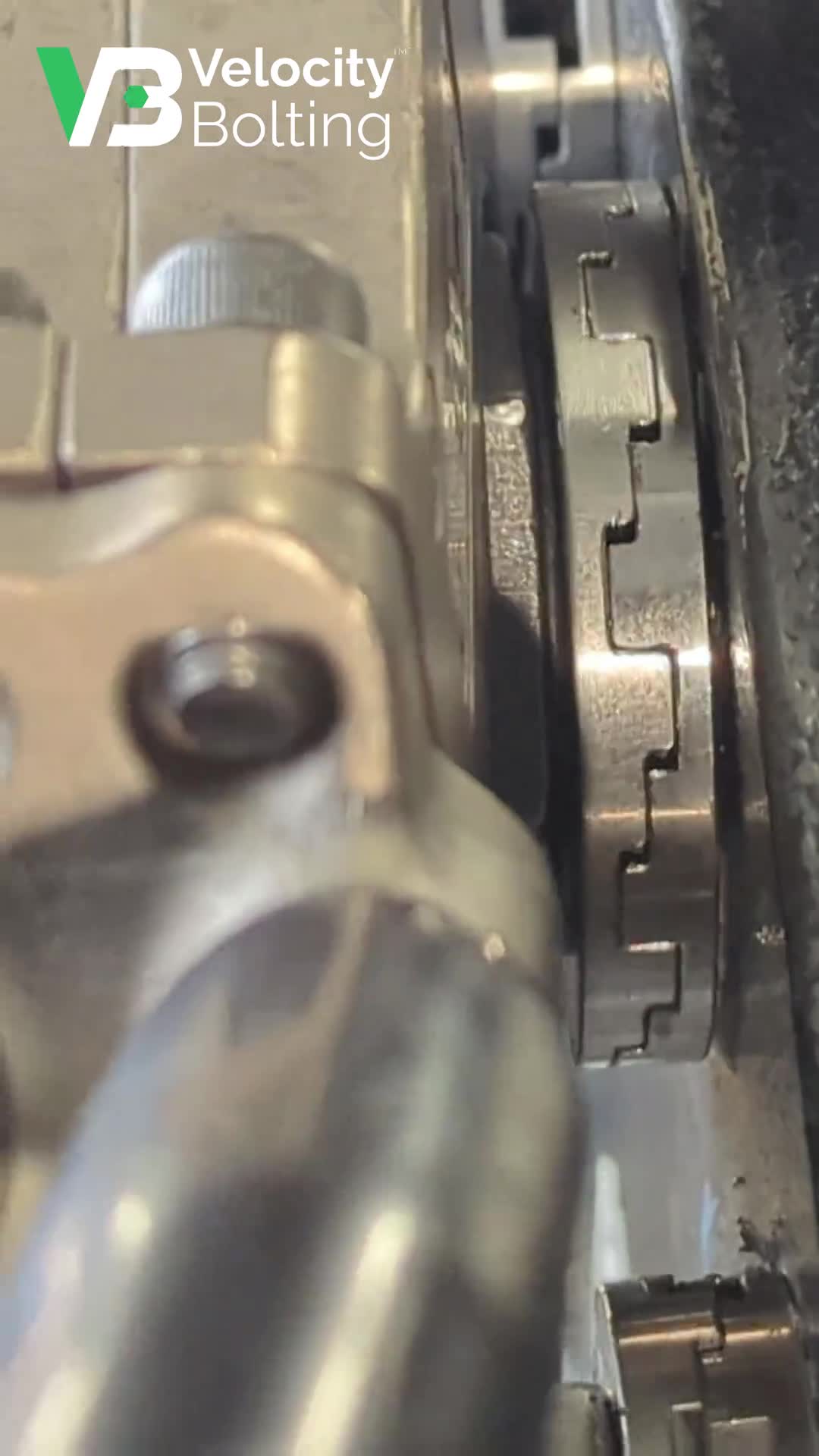
Galling: The Science Behind Seized Nuts and Bolts
Galling is one of the most costly - and misunderstood - problems in industrial bolting. If you’ve ever had a nut suddenly seize during disassembly, you’ve seen galling in action. In this video, we break down exactly what galling is, why it happens, and how you can prevent it altogether.
In just 4 minutes, you’ll learn the real mechanical processes behind galling:
• How microscopic asperities create extreme localized stress
• Why oxide layers break down during tightening
• How adhesion, plastic deformation, and heat buildup fuse fasteners together
• Why seized fasteners don’t melt - but instead bond at a molecular level
• Why traditional prevention methods often fall short
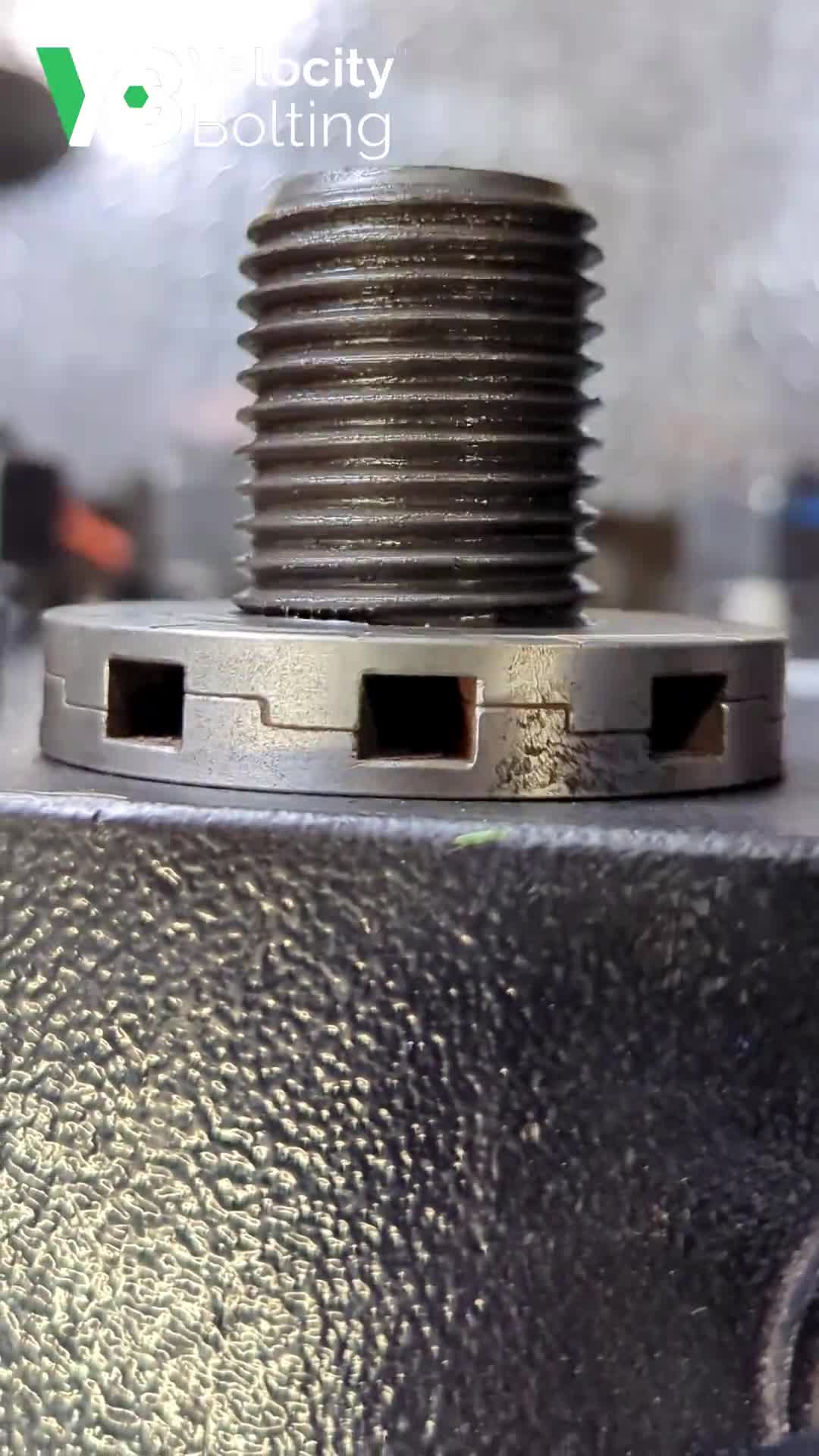
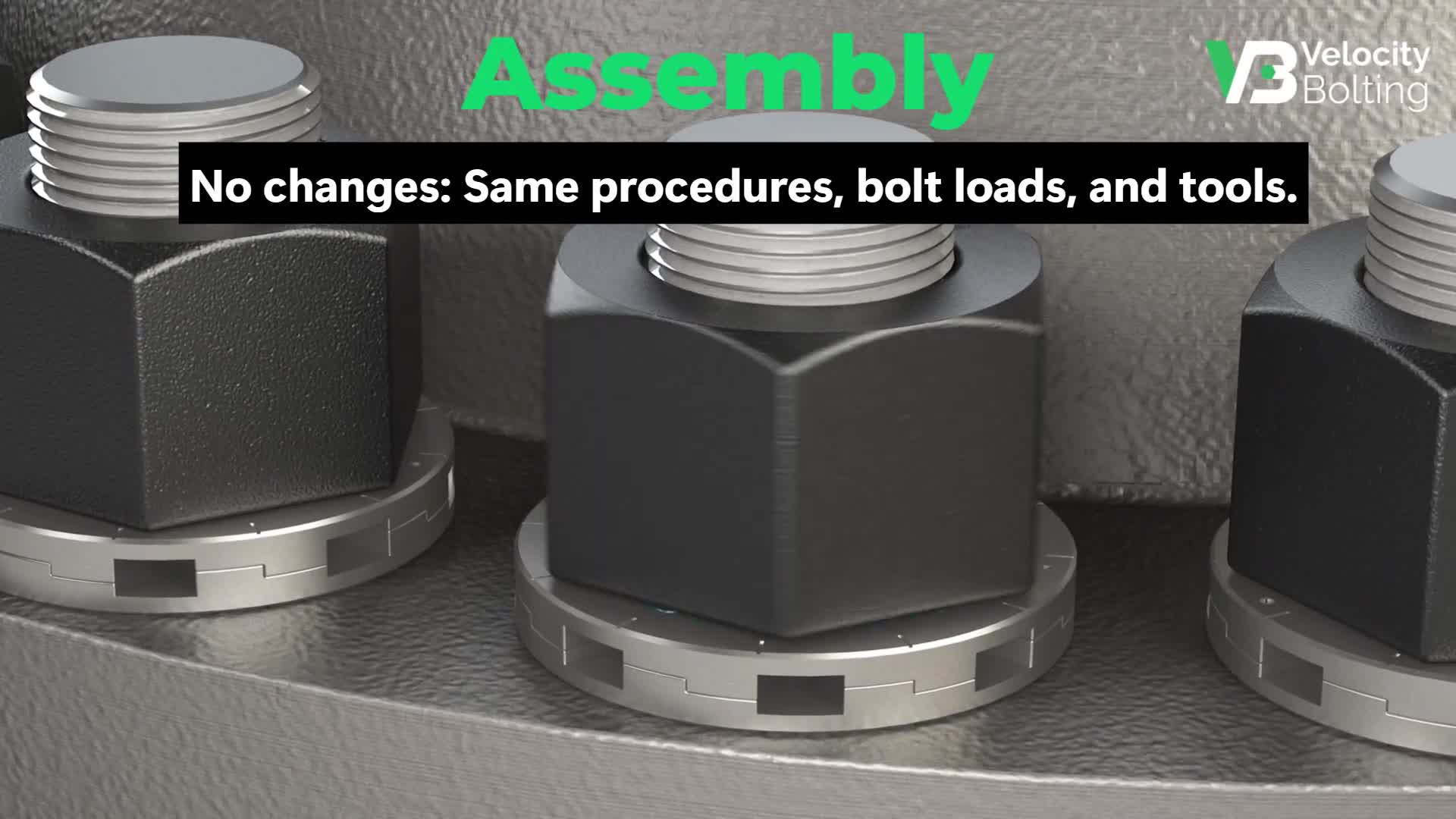
We also explain the simplest and most reliable way to stop galling before it starts - without expensive specialty tools, slowdowns, or destructive disassembly: Velocity Washer.
🔍 What You’ll Learn in This Video
• What galling actually is (beyond “friction”)
• How galling progresses from minor deformation to full fusion
• The true root cause: energy input from torque
• Prevention options: lubrication, material selection, hydraulic tools - or Velocity Washer
• Why limiting rotation stops galling from developing
• How Velocity Washers interrupt the galling process
⚙️ Why This Matters Galling isn’t just a nuisance - it causes delays, part damage, safety risks, and unnecessary costs across heavy industry. Understanding it isn’t just academic; it directly affects uptime, reliability, and maintenance budgets.
🛠️ Preventing Galling The safest, fastest, and most cost-effective solution is to prevent galling before it begins. By limiting energy input and protecting the oxide layer, you stop the chain of events that causes fastener fusion.
🔧About Velocity Bolting Velocity Bolting engineers solutions that accelerate industrial bolting operations - including the Velocity Washer, designed to prevent galling by limiting rotation and stopping the mechanical progression that leads to seized fasteners.